STEP 01
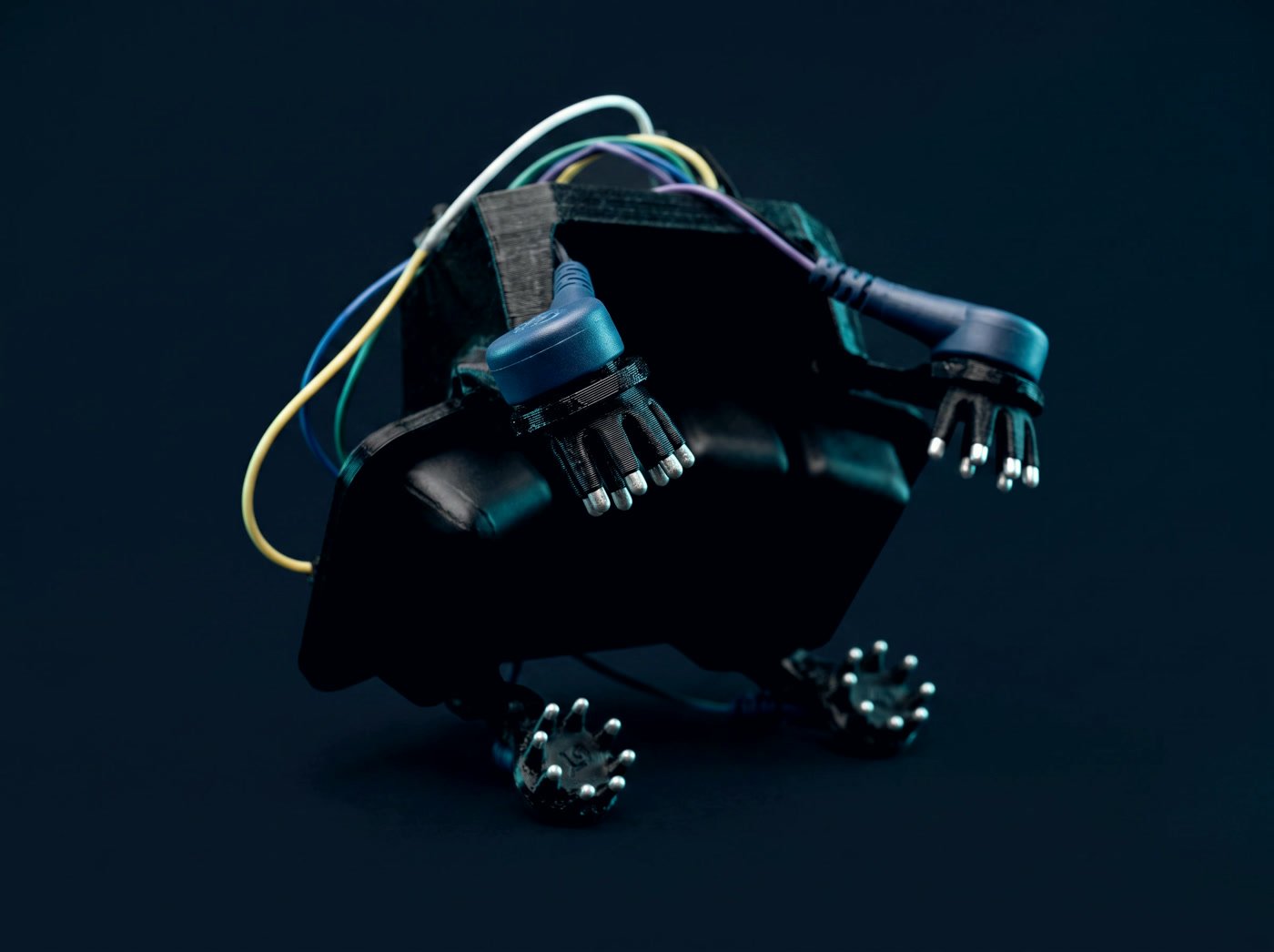
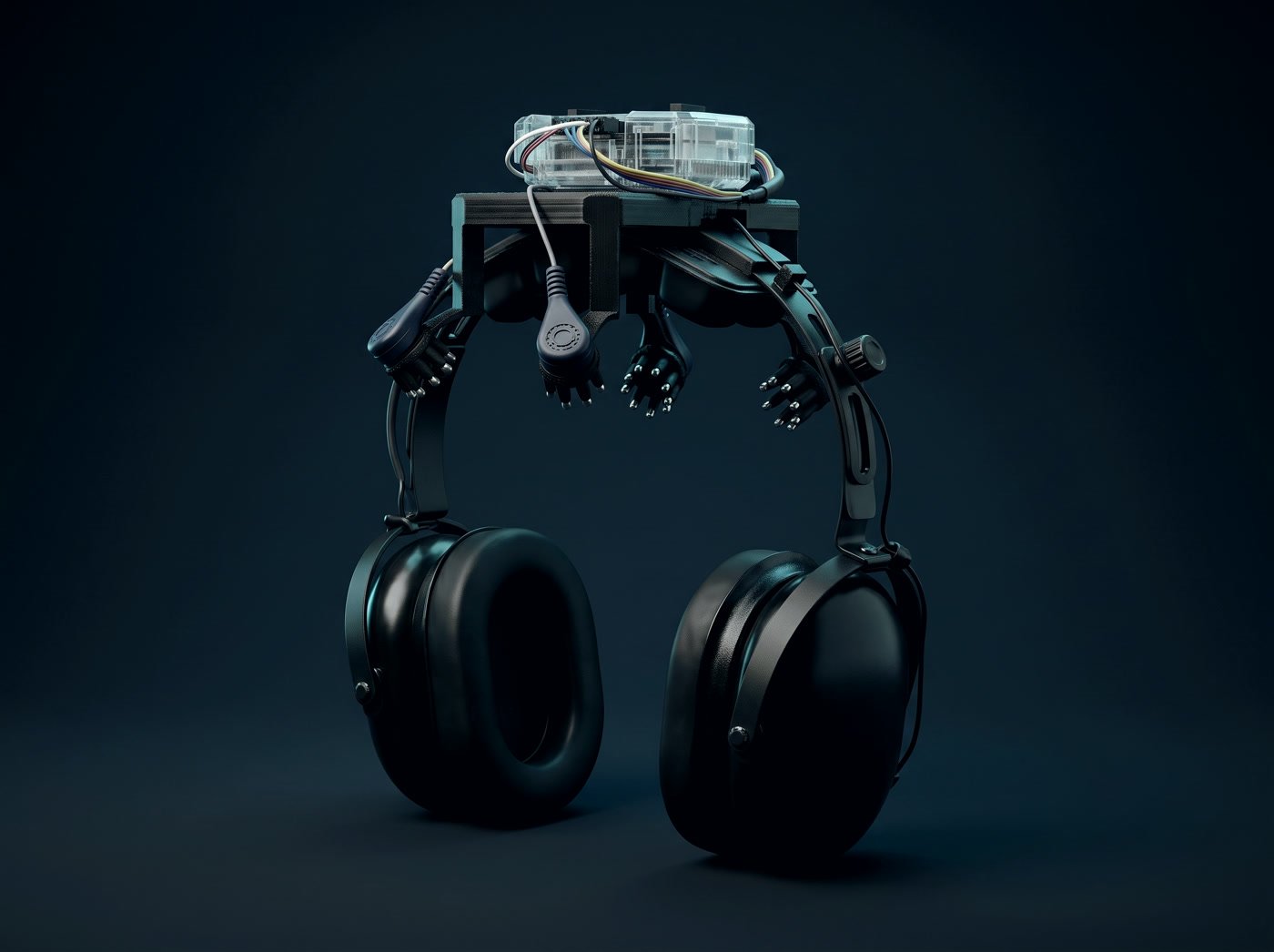
It clips to the headset they already wear.
Dry comb electrodes reach the scalp through hair. No gel, no prep, no second thing to put on. It stays mounted between lessons.
ThinkSYNC reads a student's cognitive workload in the simulator, from the aviation headset they already wear.
They stop showing up. The real attrition happens long before anyone schedules a practical test, in the grinding middle phase where the excitement fades into a chore. It does not appear in a single number a school currently tracks. By the time a student goes quiet, the slot and the revenue are already gone.
The invisible dropout does not show up in checkride statistics.
An instructor sees the busted altitude. They do not see the moment a minute earlier when the student ran out of room in their head, went quiet, and started guessing. That is where the lesson was actually lost, and nobody in the room can see it happen.
Dry comb electrodes reach the scalp through hair. No gel, no prep, no second thing to put on. It stays mounted between lessons.
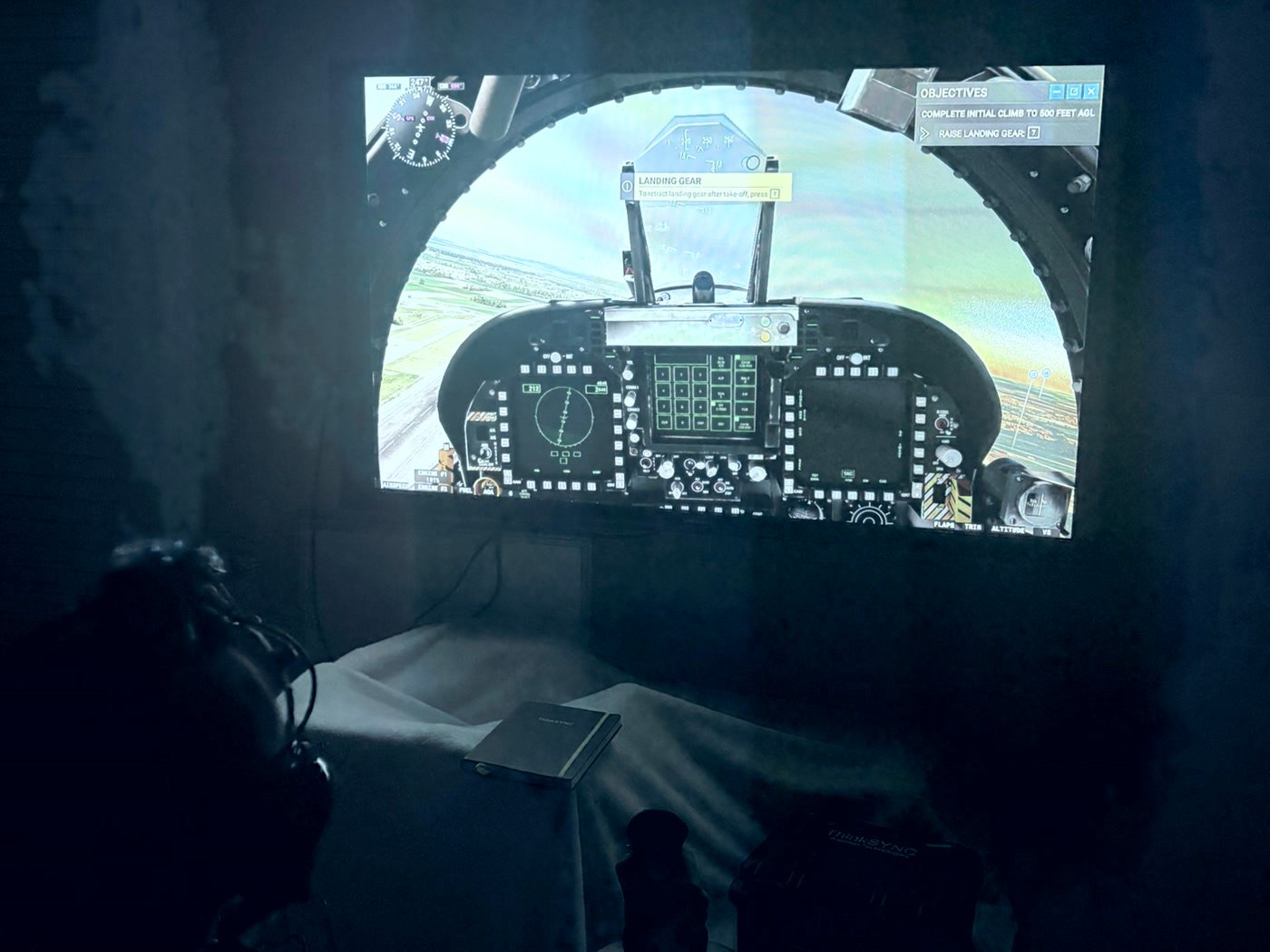
A cognitive load index is logged continuously and timestamped, start to shutdown, and every spike past the threshold is saved as its own incident.
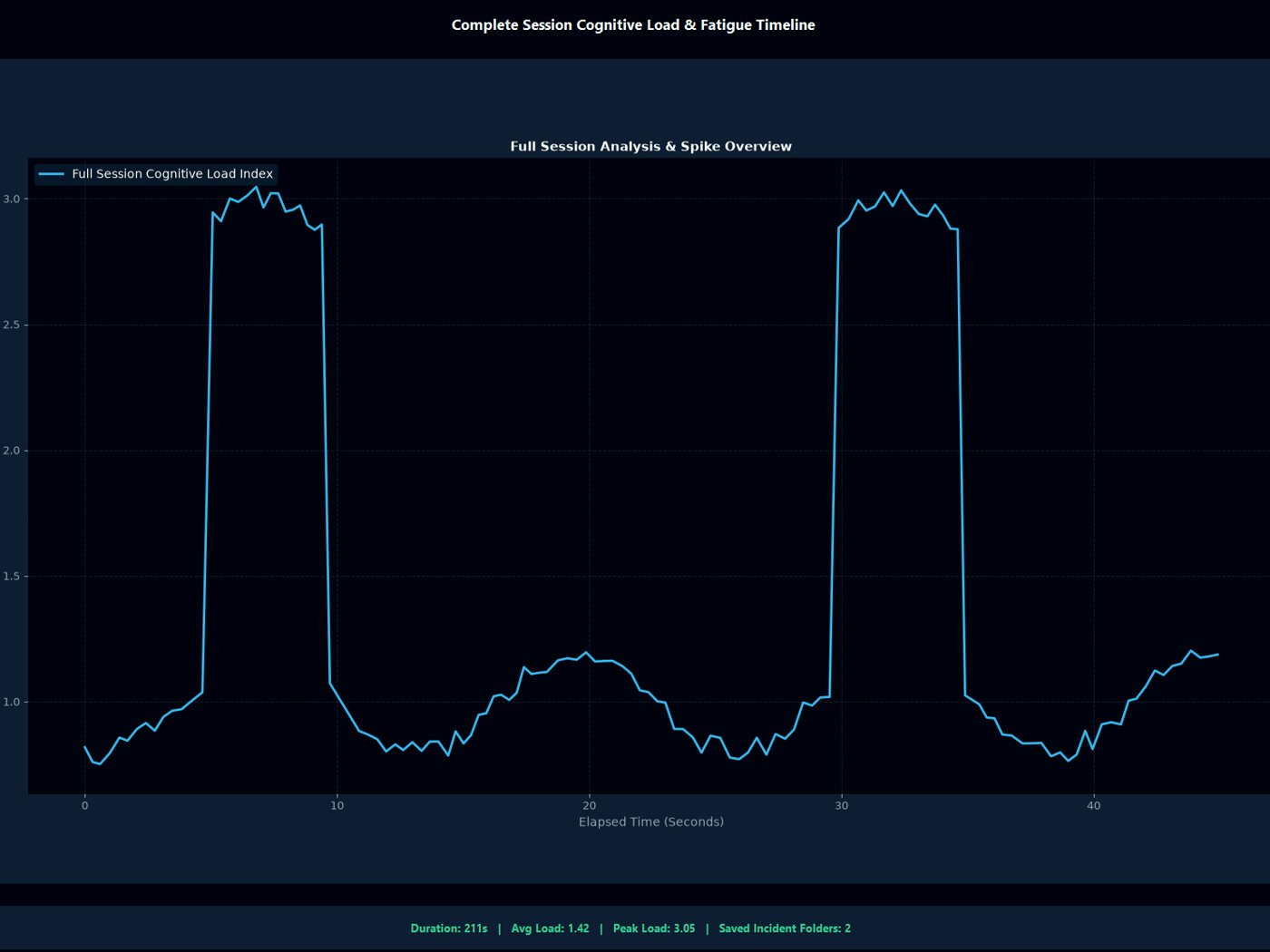
The debrief opens on the moment the student saturated, not the moment the sim showed it.
Two traces from the same moment. The top one is what the student's head is doing. The bottom one is what the simulator is doing. Load the pilot and watch which one moves first.
That gap is the whole product.
A ThinkSYNC headset assembly, the electrode harness, and the recorder, foam-cut into a sealed hard case. It lives on a shelf in the sim room and comes out when the next student sits down.
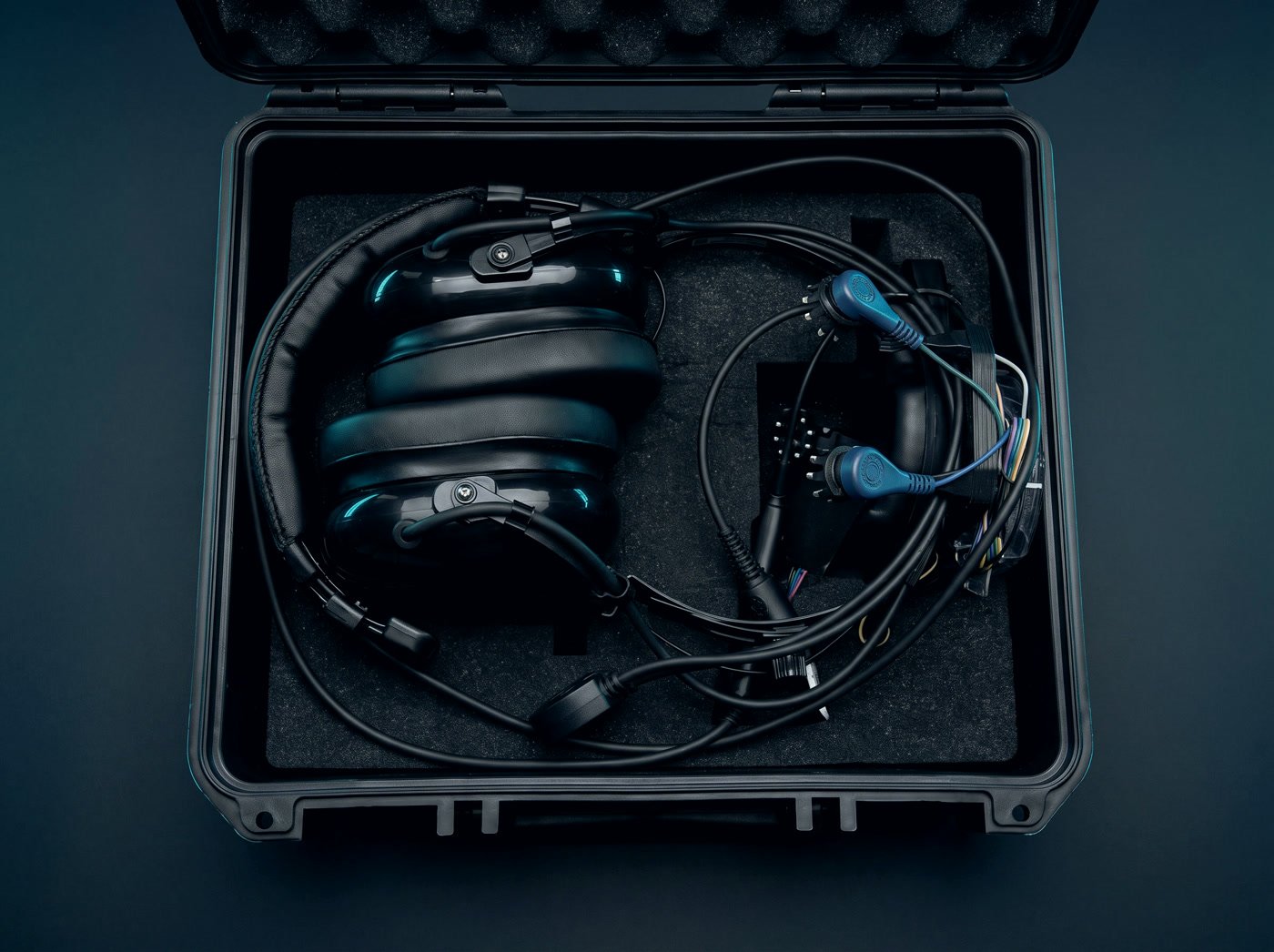
Measuring pilot cognitive workload from EEG has been settled work in research aviation for years. What has not existed is a version that survives a real sim room and mounts to equipment a flight school already owns.
We are placing units with a small number of flight schools. Tell us about your operation and we will tell you honestly whether you are a fit.